01
Paso 01
Inbound planning
Supplier ASN + client outbound plan. We verify volumes and destinations match before accepting the appointment.
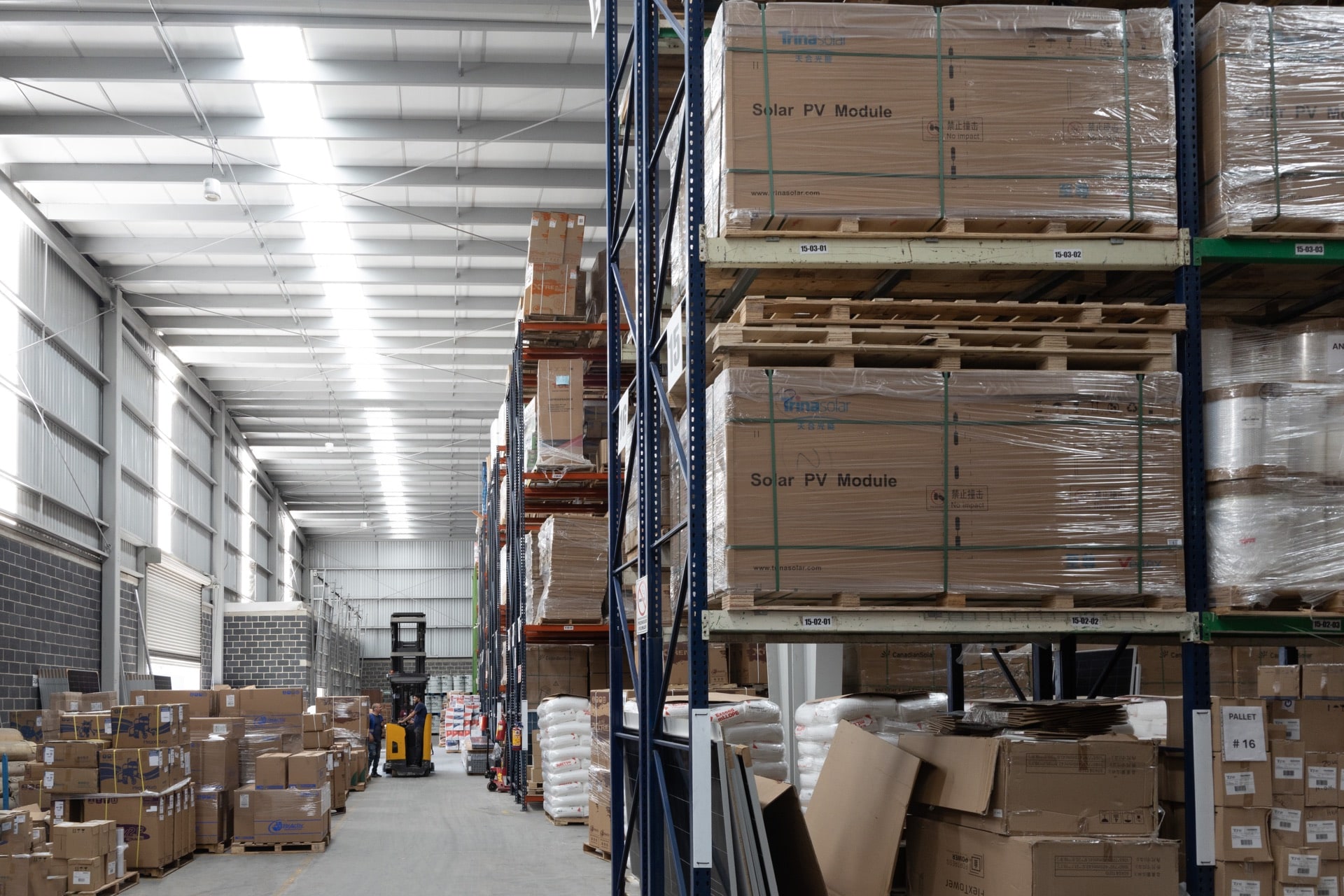
Your goods enter the DC, get reassigned by destination, and leave on the same shift. Ideal for regional distribution, B2B replenishments, and high-rotation flows where storing is cost.
Six elements that separate real crossdocking from a short storage in disguise.
Unload, count, and ASN validation in under 4 hours. Goods don't touch the rack.
While unloading, we sort by outbound route. Pallet enters whole, leaves split by destination.
Outbound labels with final destination, manifest, and waybill. Zero manual stickers over old labels.
Daily cutoff coordinated with parcel and B2B carriers. What enters before cutoff leaves that day.
Reassignment to B2B pallets (retail, wholesalers) or B2C parcels (ecommerce, marketplace). Both flows on the same dock.
Document per destination with count and signature. Digitized POD for B2B and unified tracking for B2C.
How we process a crossdocking flow from inbound to outbound, without touching inventory.
Supplier ASN + client outbound plan. We verify volumes and destinations match before accepting the appointment.
Unload, count against ASN, and OS&D report. Conforming goods move directly to the sortation area.
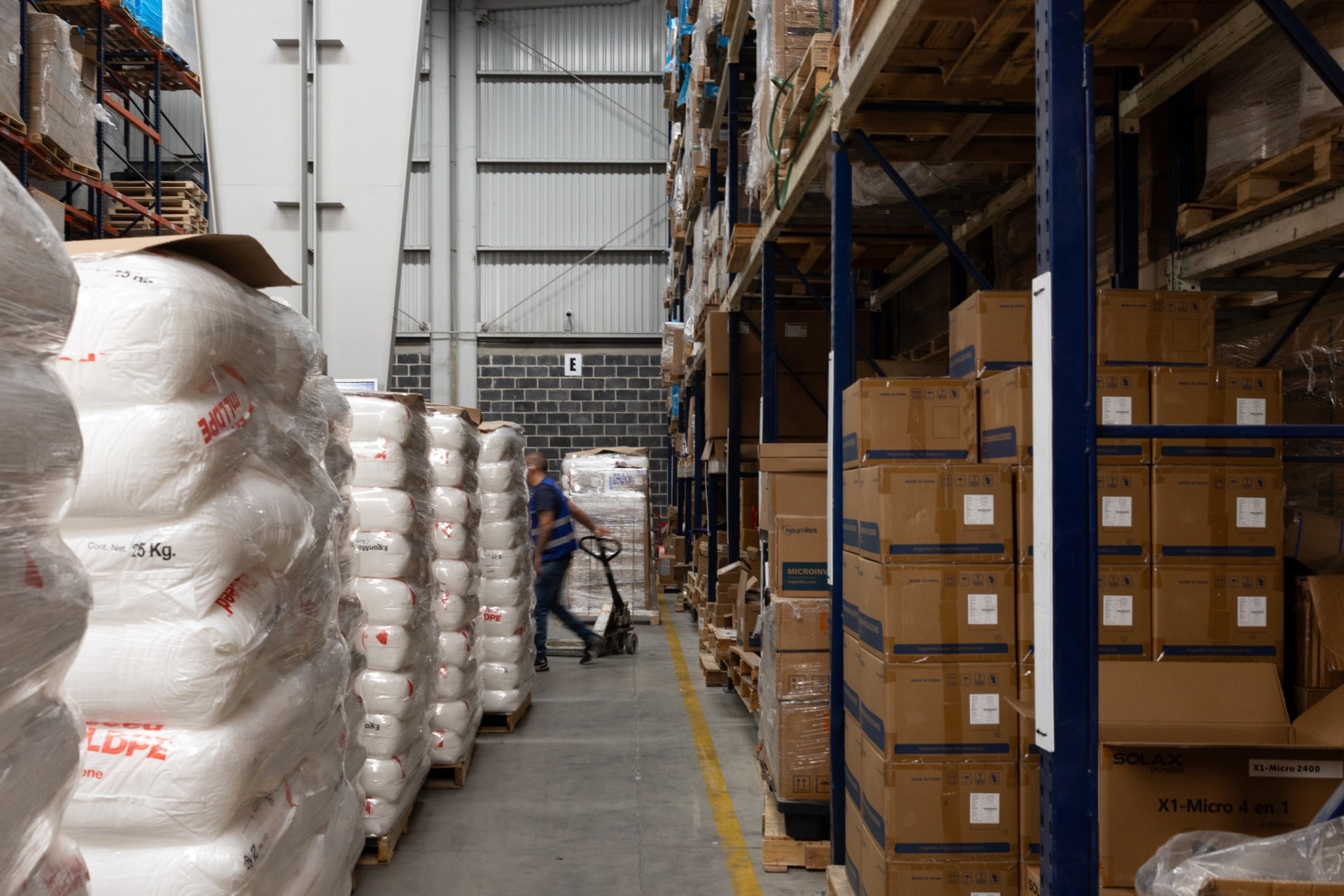
Reorganization by outbound routes: B2B pallets, B2C parcels, regional consolidations. All without crossing the rack.
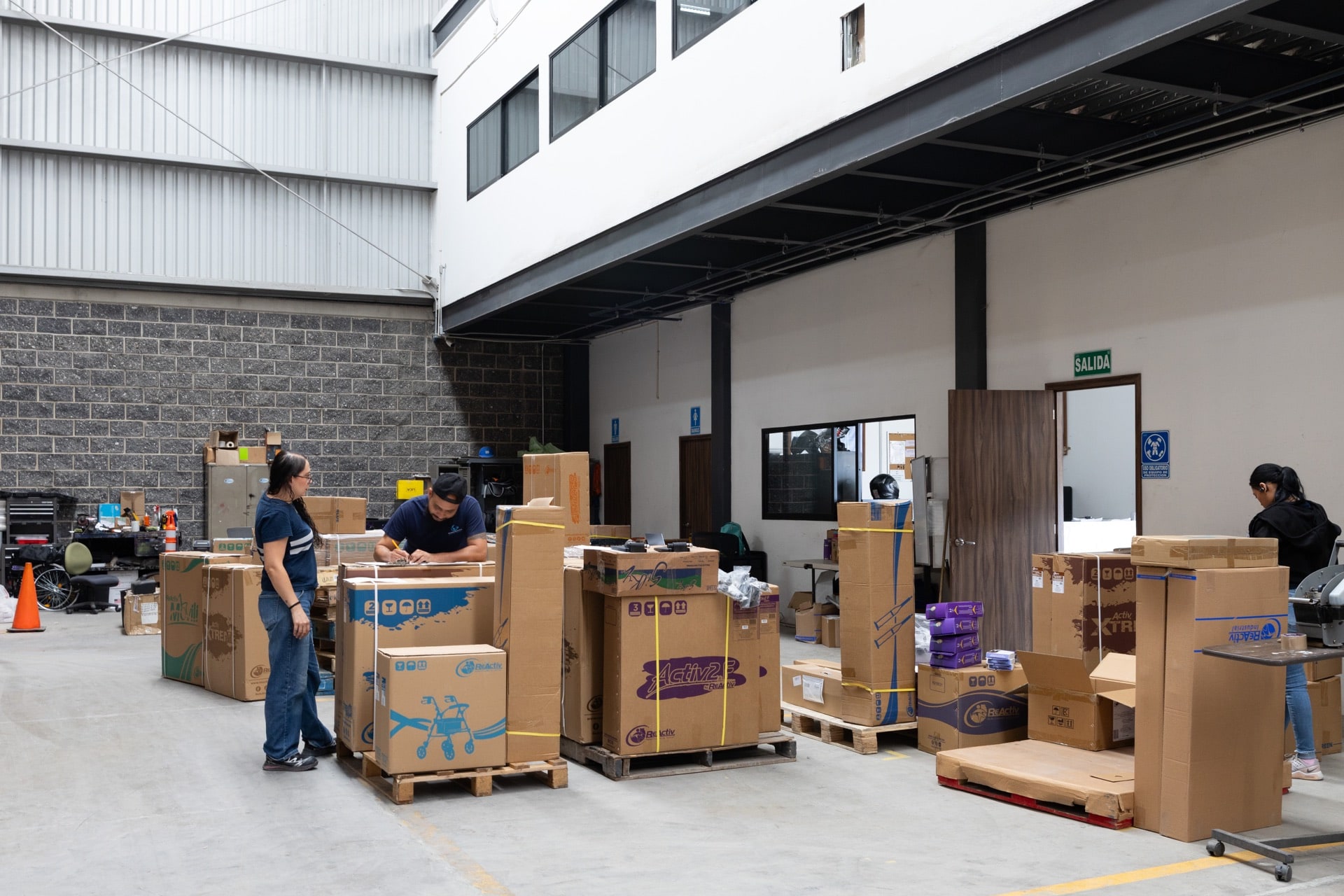
Outbound labels, per-destination manifests, and parcel waybills generated. Work-order close.
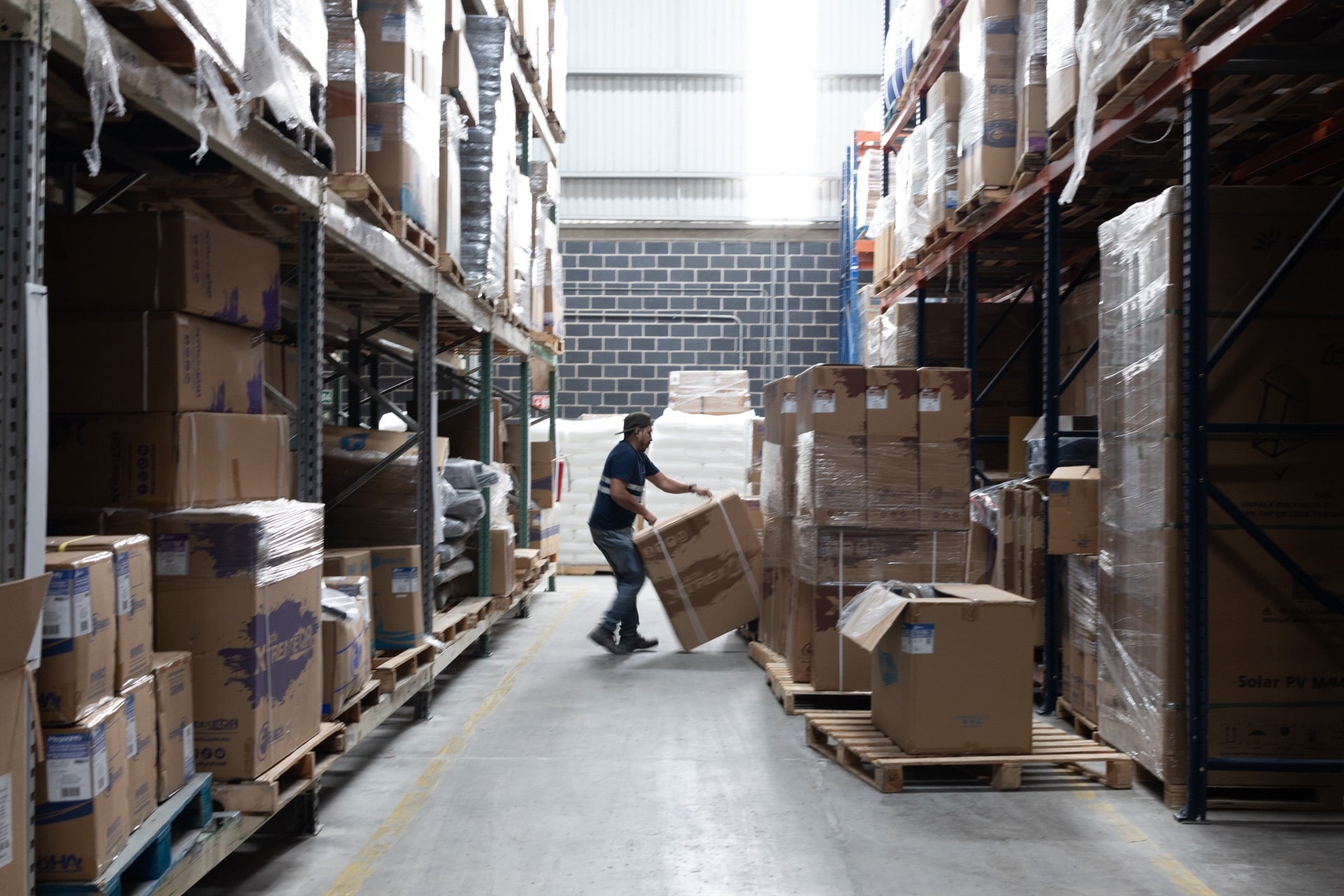
B2B and B2C carriers pick up at cutoff. Client notification with tracking and expected POD.
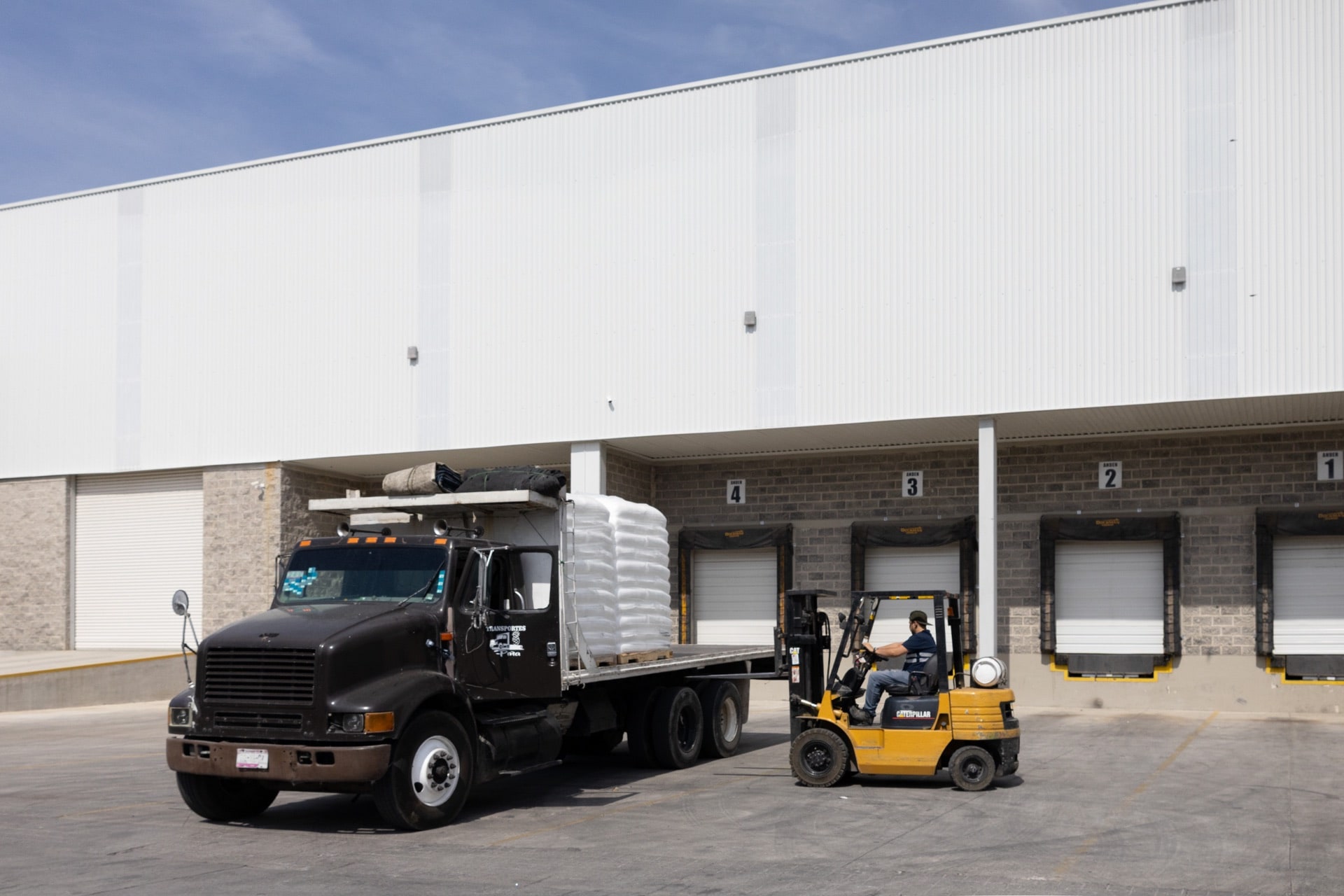
Three reasons brands with high-rotation flows migrate to crossdocking.
Paying 5–10 days of storage for goods that were going out anyway is avoidable cost. Crossdocking eliminates that margin friction.
Every day less in the warehouse translates directly to delivery time. For high rotation, that difference becomes competitive on SLA.
Product that moves fast shouldn't tie up working capital in storage. Crossdocking frees that capital without sacrificing availability.
Is how long your goods stay in the warehouse when they enter a crossdocking flow.
Zero days of storage, zero floor paid, zero inventory aging on rack. For high-rotation flows, B2B replenishments, or perishable products, eliminating 7–15 days of inventory on floor frees working capital and reduces handling costs by 30–40% versus traditional warehousing. Not every SKU applies — but the ones that do shouldn't be paying for storage.
Services that combine with the pass-through model.
Leave us your info and an account executive will reach out with a precise operational estimate, tailored to your volume and channels.